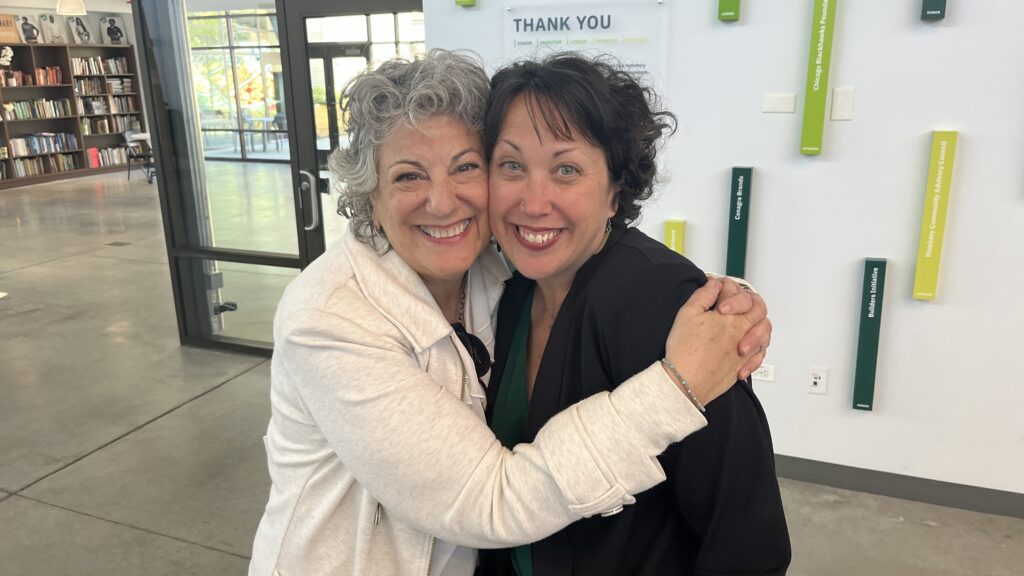
By Charlotte Kovacs, Professional Training & Coaching
“What do you truly stand for? What matters to you? Values serve as the compass that keep us aligned with who we really are.”
Life is full of transitions. Some we choose – new jobs, cities, or relationships. Others choose us – layoffs, illness, or loss. Some feel like doors swinging open; others like the ground giving way. Yet every transition, wanted or not, asks us to grow.
Much of my career has focused on helping people through transitions: career pivots, leadership changes, identity shifts, and seasons that feel uncharted. Alongside that work, I’ve lived many of my own, some exhilarating, others unsettling, many both at once. What I’ve learned is that navigating change isn’t about pretending it’s easy. It’s about cultivating steady practices that keep us grounded, hopeful, and moving forward when the path is unclear.
Three practices matter most: knowing where you are and where you’re going, leading with your values and intuition, and building reflection and connection into the journey.
When we’re in transition, it’s tempting to rush toward resolution. We crave clarity and assurance that things will work out. Yet real growth starts not at the destination but with an honest acknowledgment of where we are right now. That means taking stock emotionally, mentally, spiritually, and physically. What’s working? What’s not? What’s shifting around and within me? I often encourage clients, and myself, to pause and simply say: This is where I am. Naming what’s true reduces anxiety and opens space for new possibility.
From there, we can look toward where we want to go, not by drafting a five-year plan, but by finding a guiding north star. For some, it’s a tangible goal; for others, a way of being: I want to feel aligned. I want to live with joy. I want to do meaningful work. Many people stay in autopilot, waiting for external change, a new boss or lucky break, to create clarity. But real transition begins the moment we decide we want something different. That “different” might be deeper fulfillment, truer relationships, or more energy for what matters most.
Transitions shake up routines, identities, and relationships. Without an anchor, we’re easily swept away by fear or by others’ expectations. That’s why grounding in values is essential.
I ask clients: What do you stand for? What matters most? Values are the compass that keeps us aligned with who we are. When we’re clear on them, decisions may still carry risk, but direction becomes unmistakable.
Equally vital is trusting intuition. Times of change awaken a chorus of inner voices, the bold one saying, Go for it! and the cautious one whispering, Don’t risk it. Sometimes they echo family, mentors, or earlier selves. They once protected us; now they often hold us back.
The goal isn’t to silence them but to engage them. Acknowledge their concern, thank them, then decide which to follow. I’ve had my share of “I can’t” stories. But once I stopped treating them as truth and met them with curiosity, new possibilities appeared. Transition invites us to rewrite those stories, from “I can’t” to “What if I can?”
No one moves through transition alone. Even when the work feels deeply personal, support is essential. External support comes from friends, mentors, coaches, and communities that sustain us. Internal support grows through reflection.
Reflection is the pause that lets us hear our own voice amid the noise. For me, it’s journaling, meditation, or swimming. For others, it’s therapy, prayer, or art. The method matters less than the commitment. Consistent reflection reconnects us with our own wisdom rather than fear, comparison, or doubt. When life feels uncertain, our instinct may be to withdraw until things make sense. Yet connection, not isolation, sustains us. The people who cheer us on, hold us accountable, or simply sit beside us in the mess remind us that we’re not alone, we’re worthy, and that we can endure even the hardest chapters.
Transitions are rarely neat or comfortable. They’re often unpredictable and full of emotions we’d rather avoid. Yet these moments hold the seeds of our deepest growth. Knowing where we are and where we’re headed gives orientation. Rooting in values and intuition brings alignment. Reflection and connection build resilience. Together, these practices turn transition from something we survive into something that shapes us.